Rafael Platero Paz
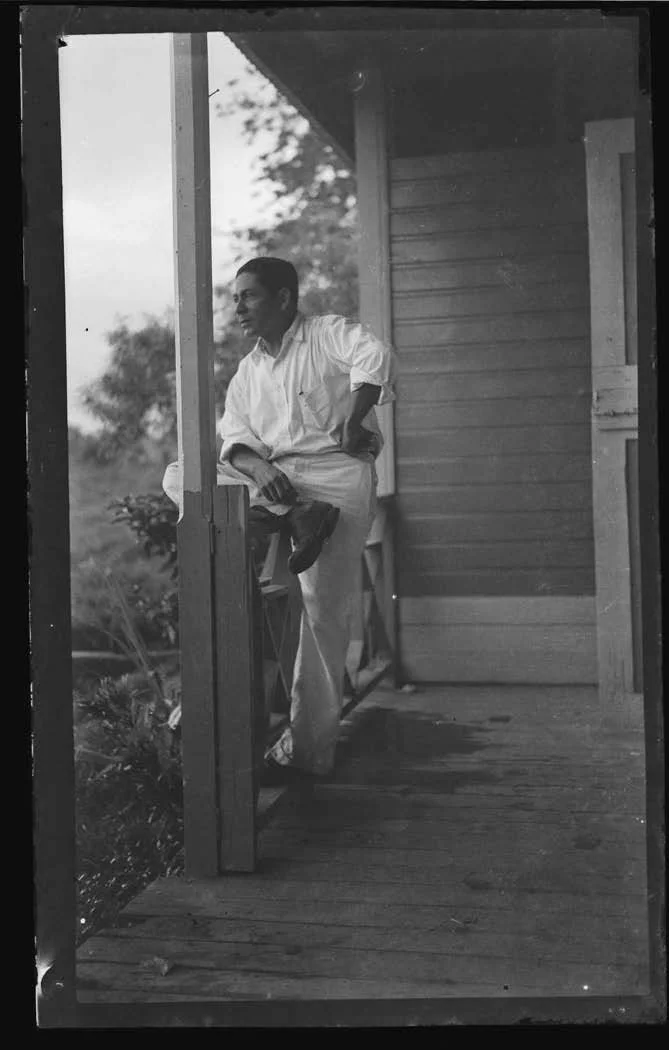
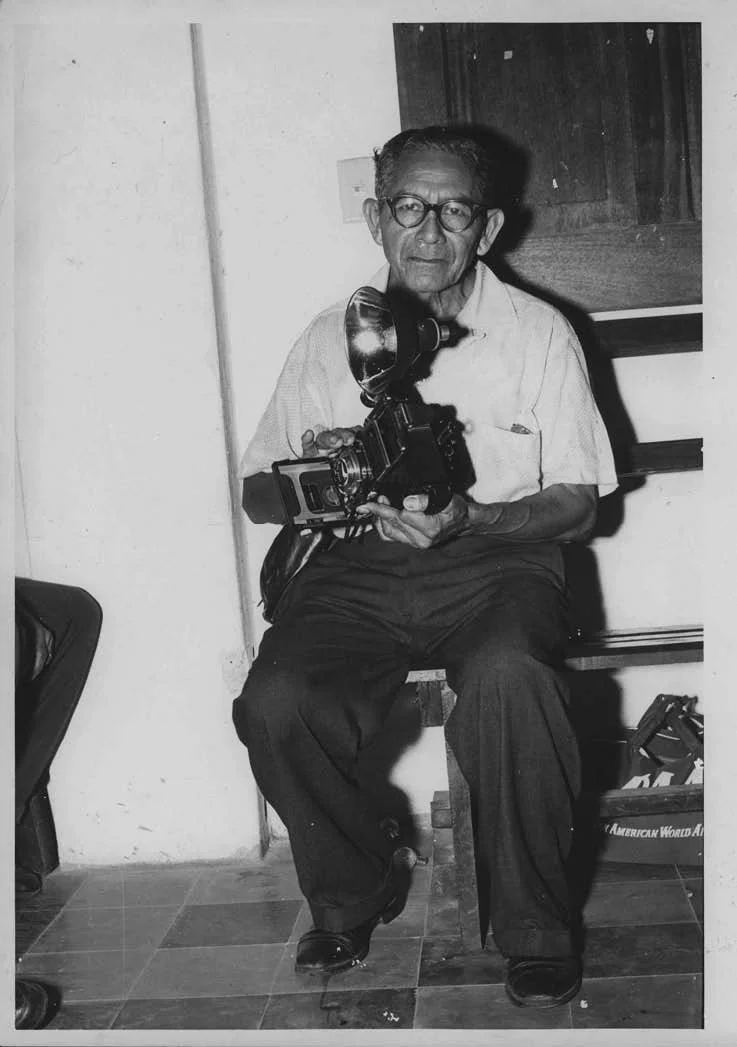
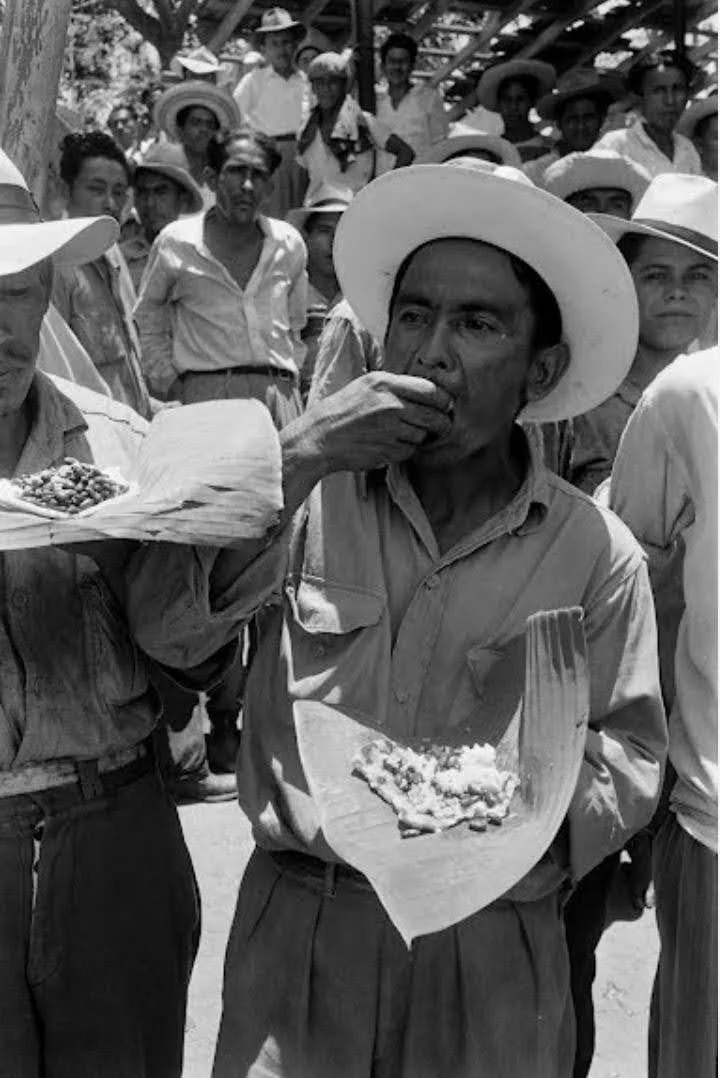
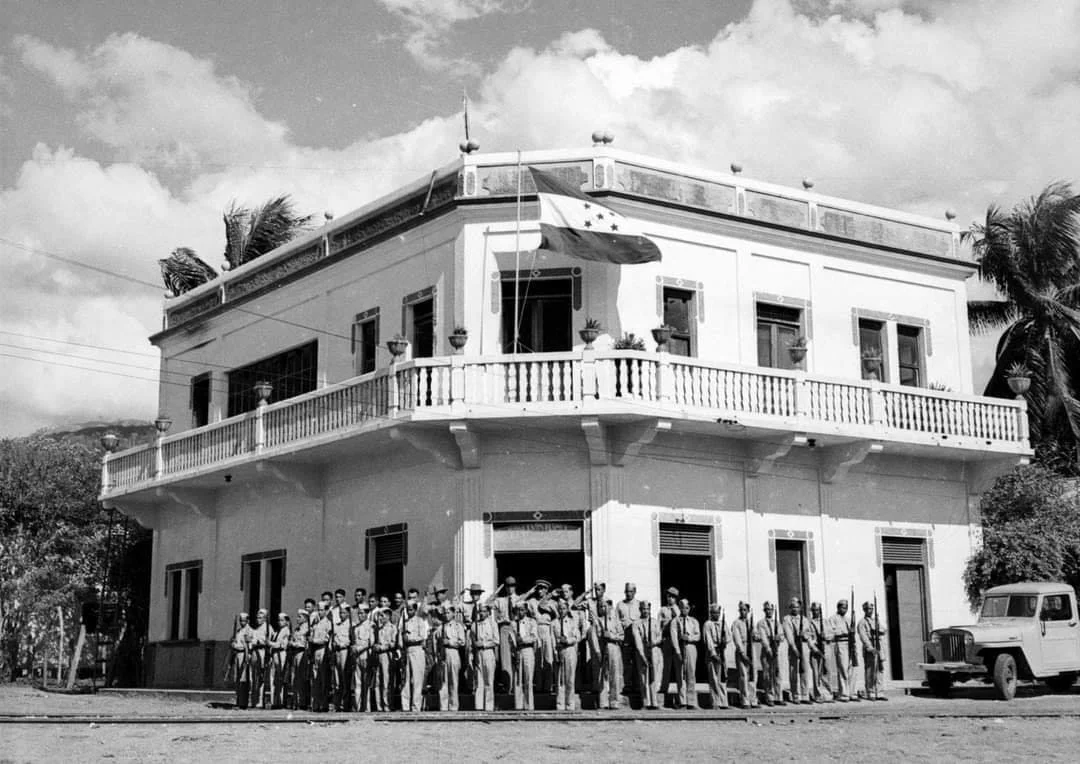
Rafael Platero Paz, born in 1898 in Santa Tecla, El Salvador, moved to Honduras in the late 1920s to work as a photographer for the United Fruit Company. The company, based in El Progreso, Yoro, tasked him with capturing photographs of their banana plantations, infrastructure, and workers.
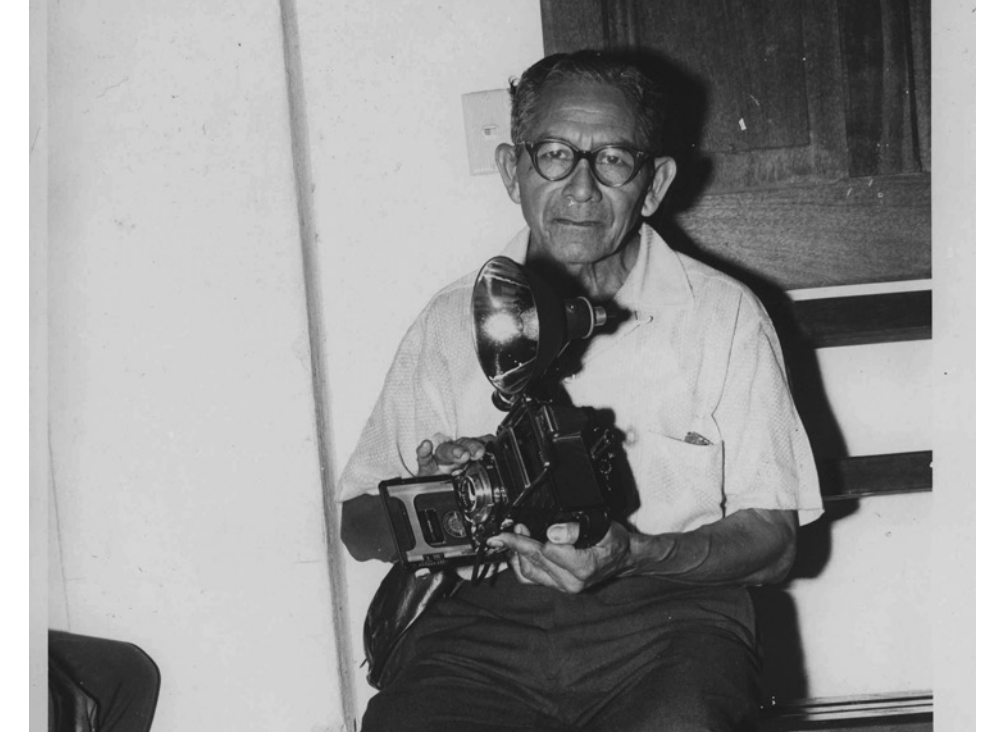
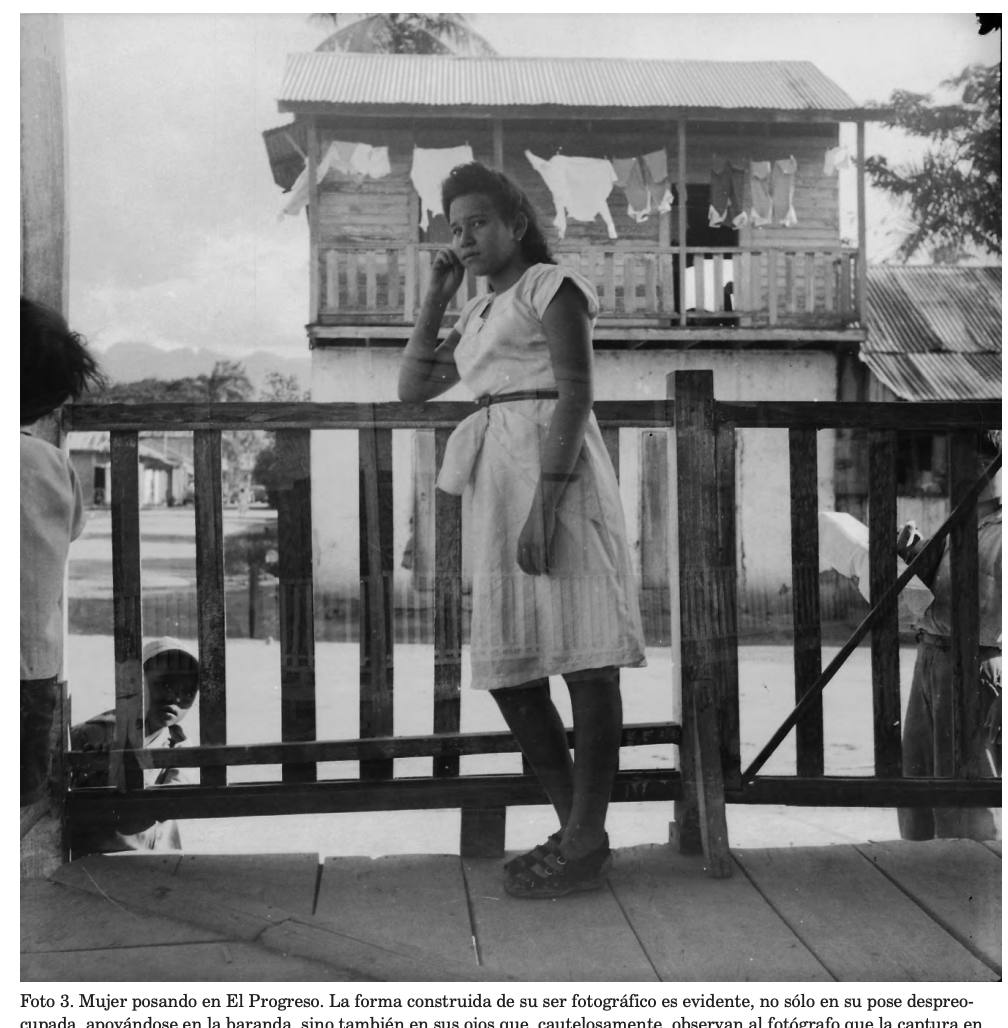
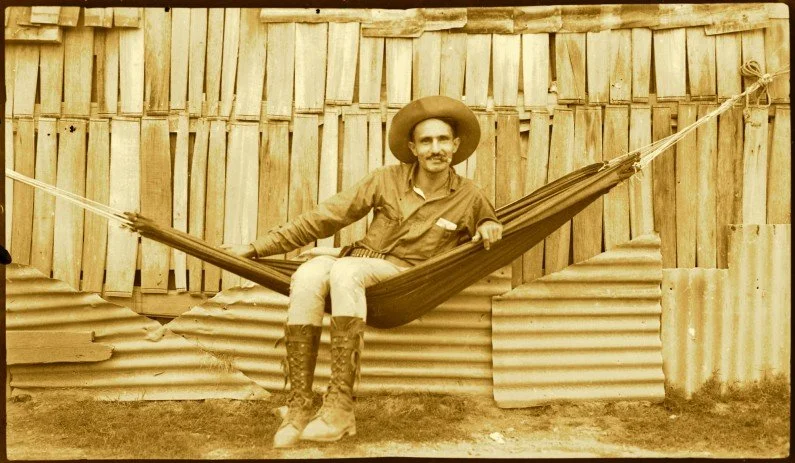
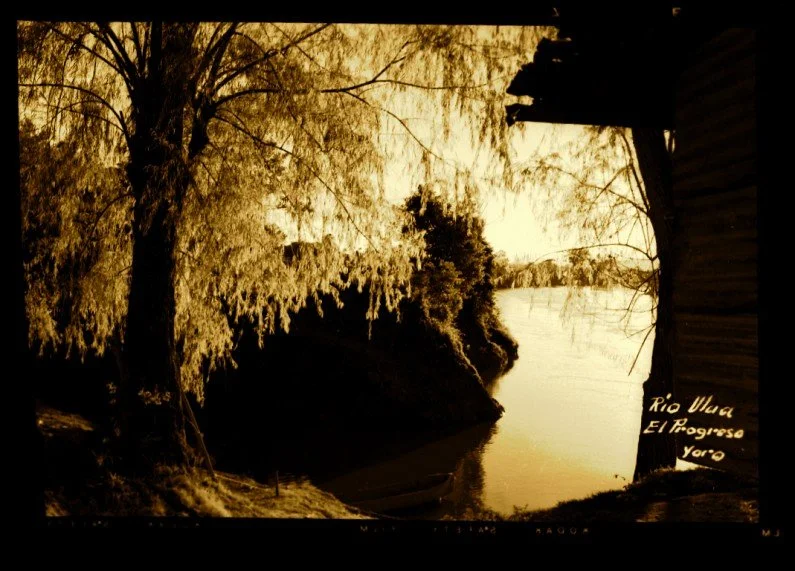
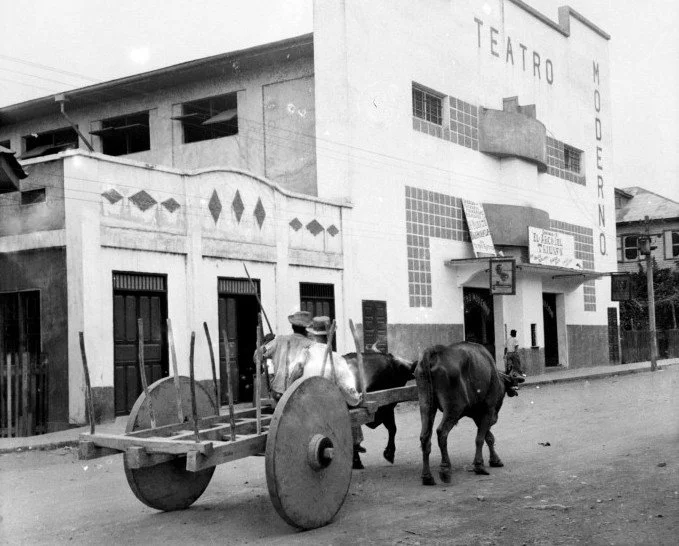
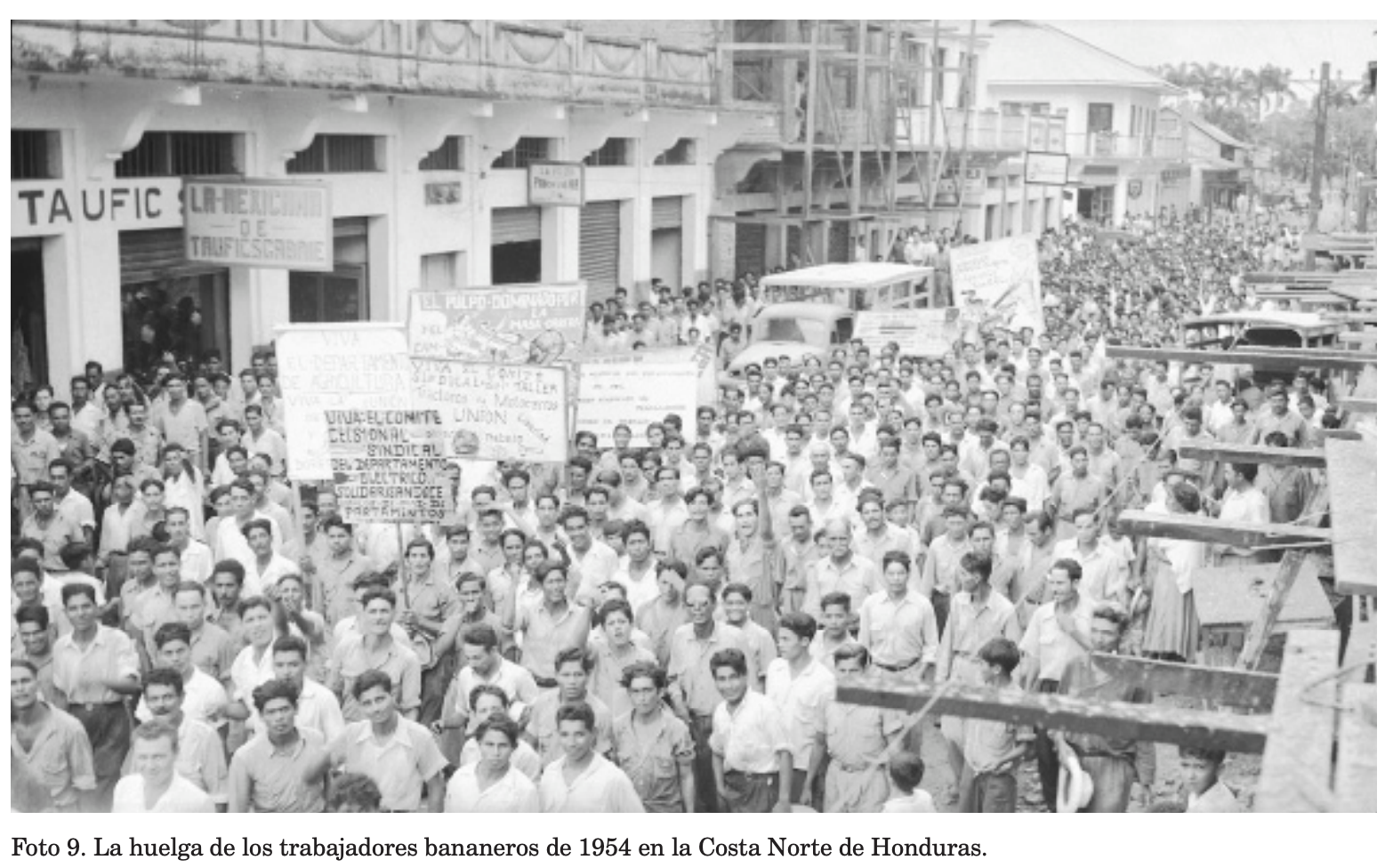
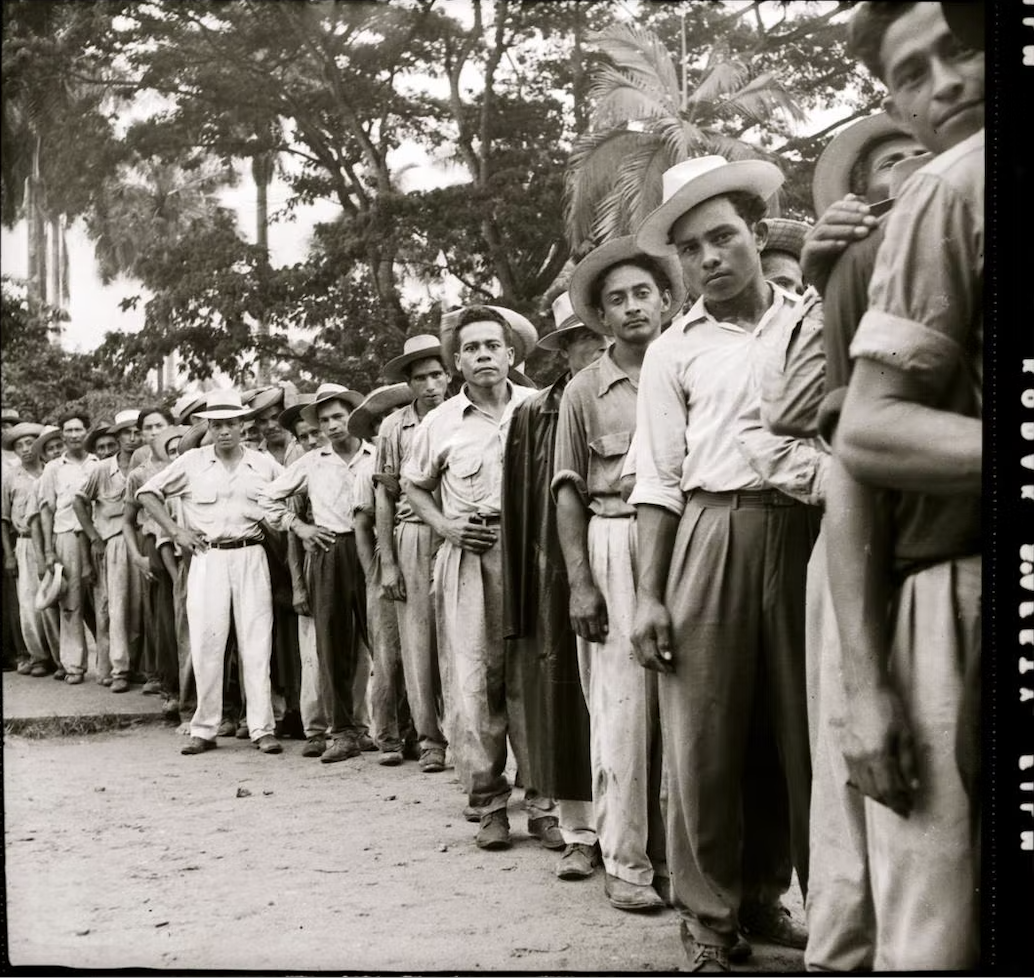
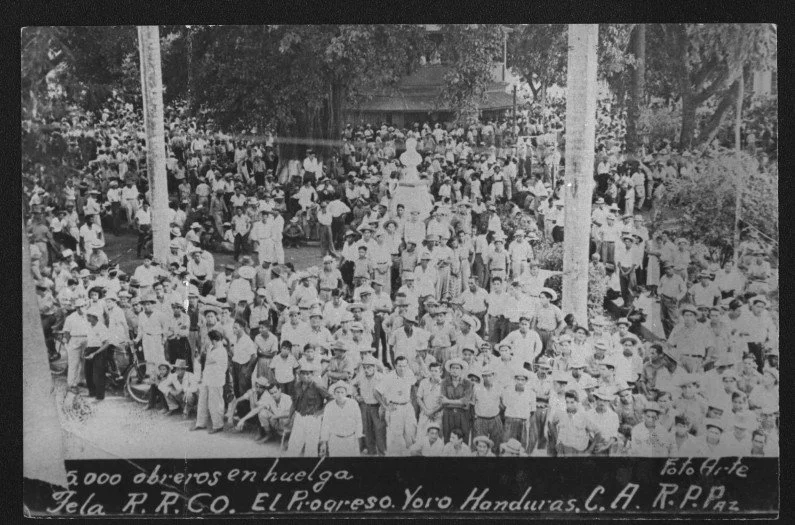
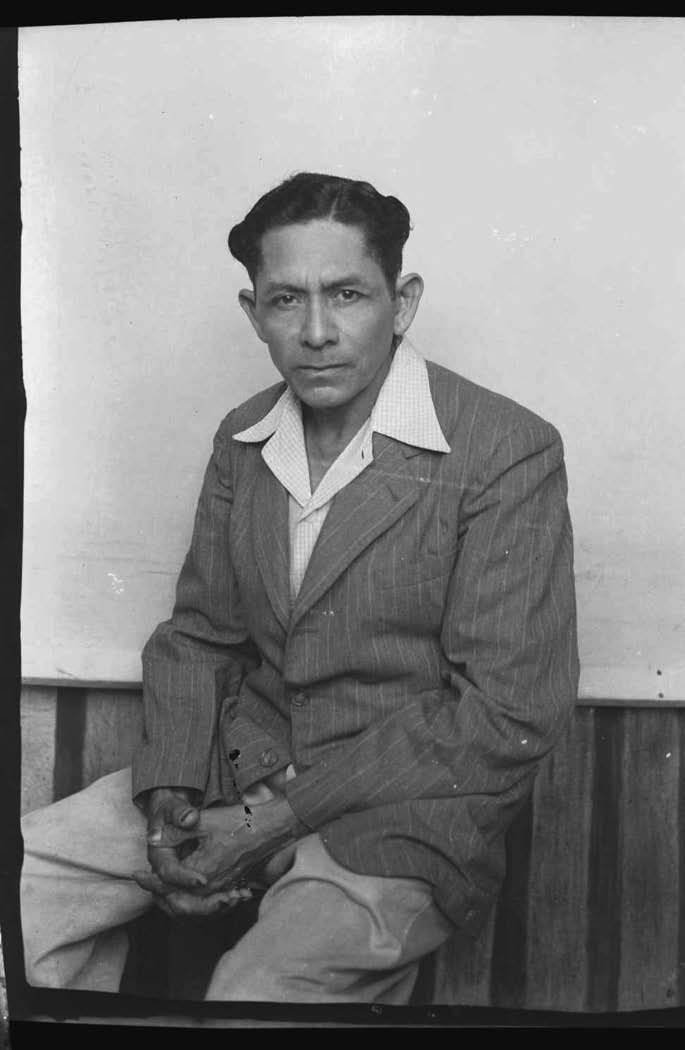
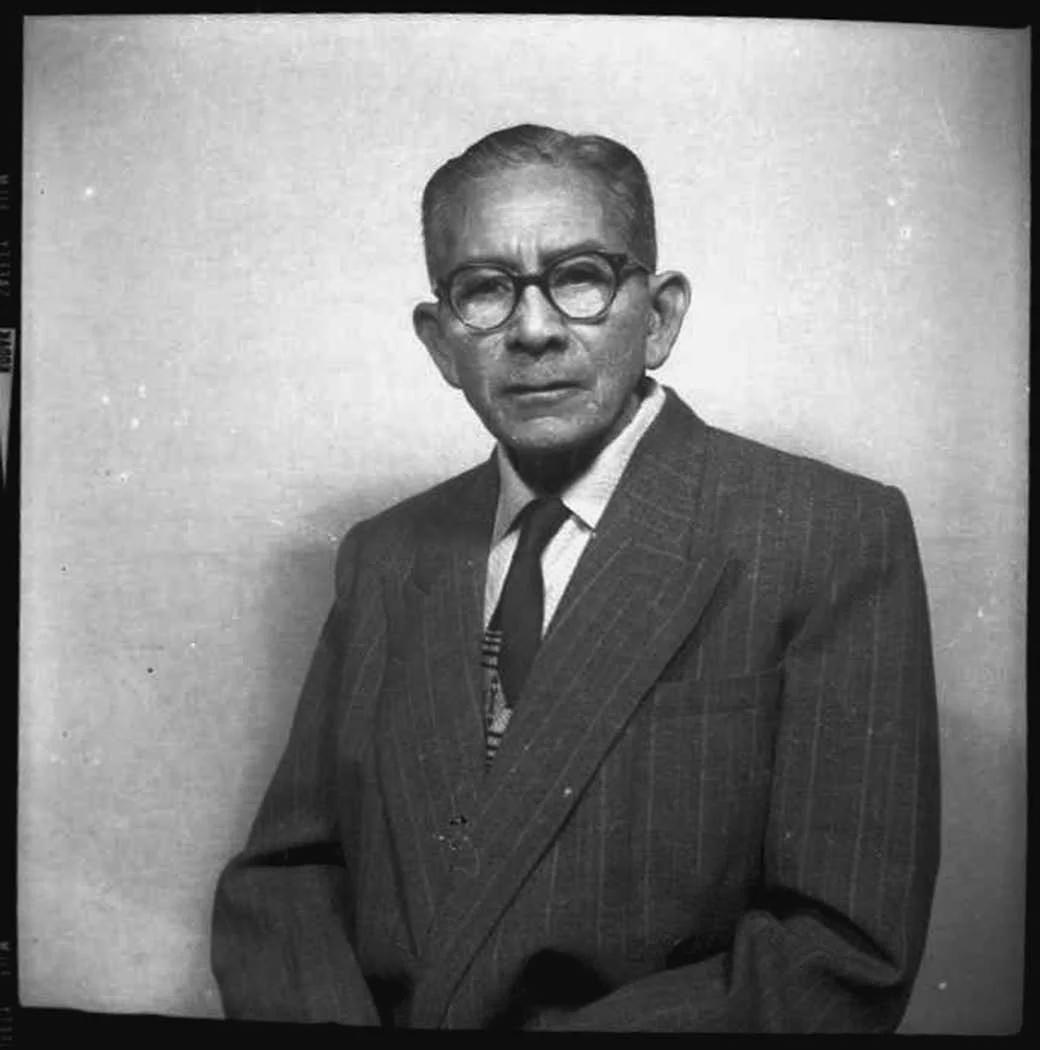
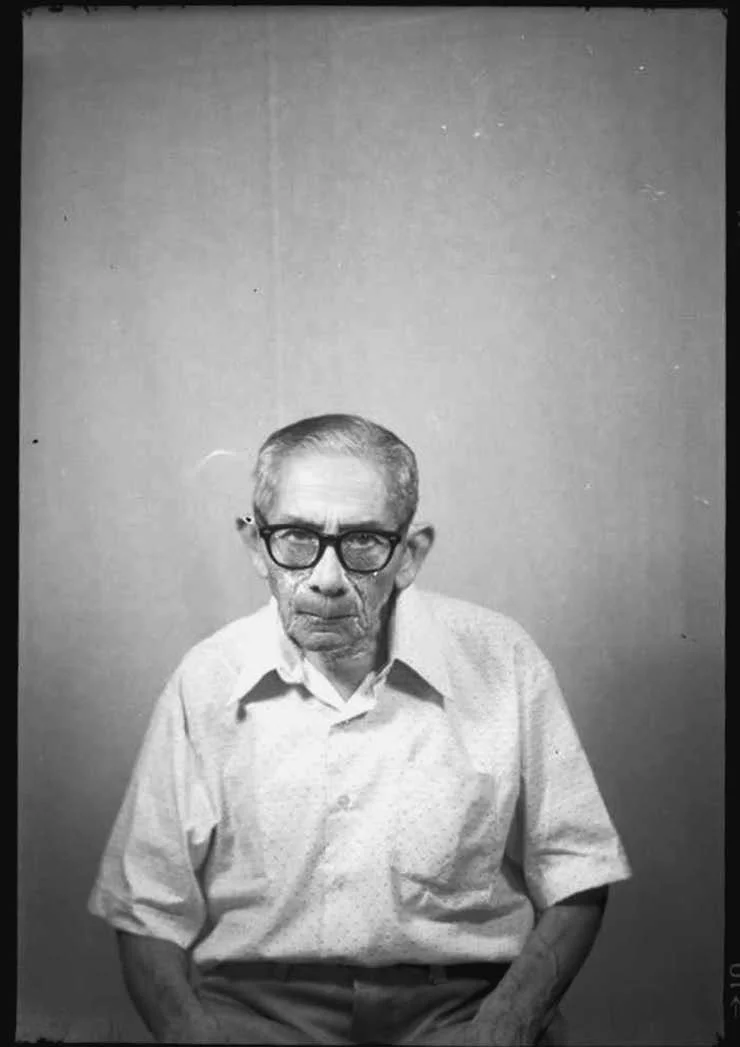
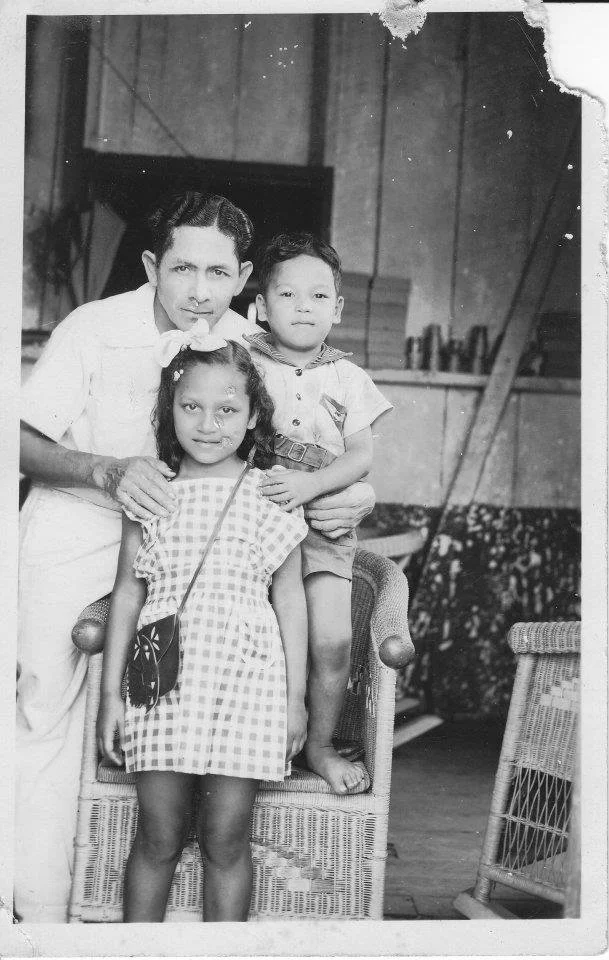
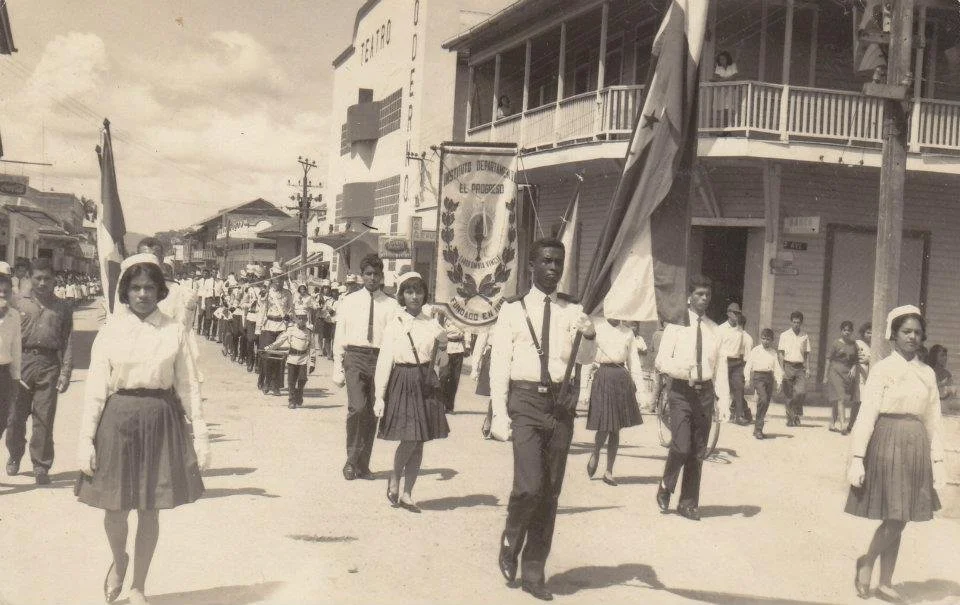
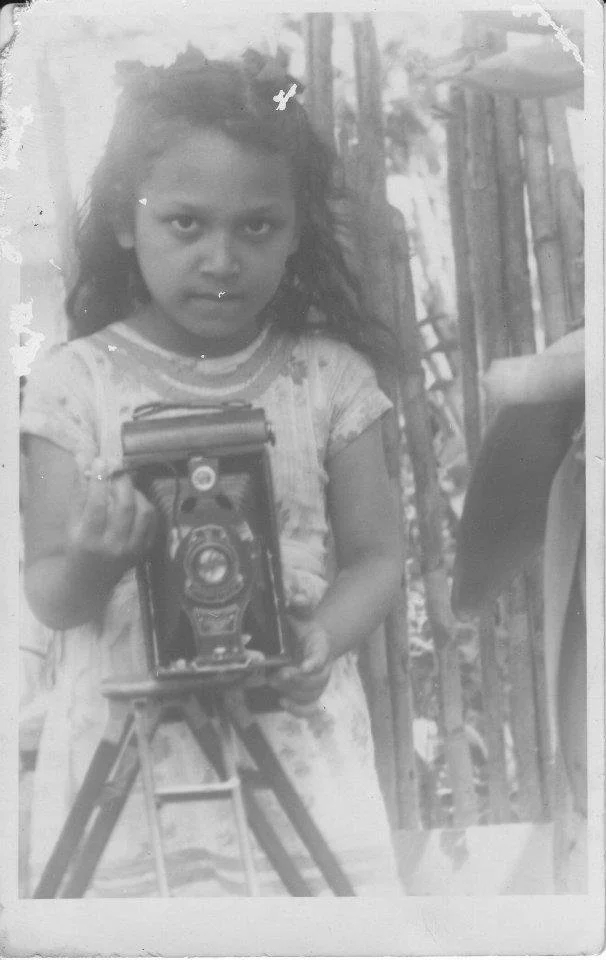
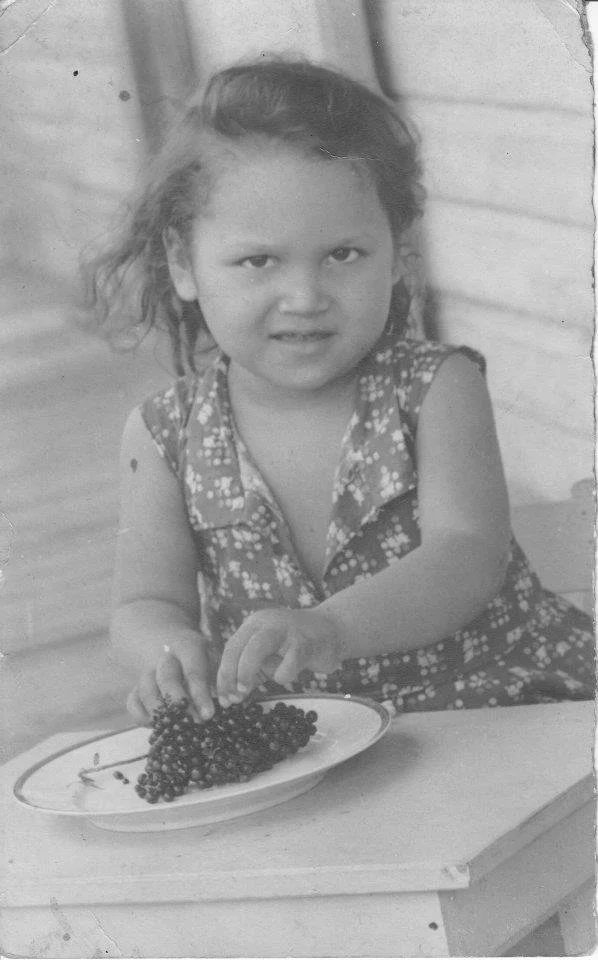
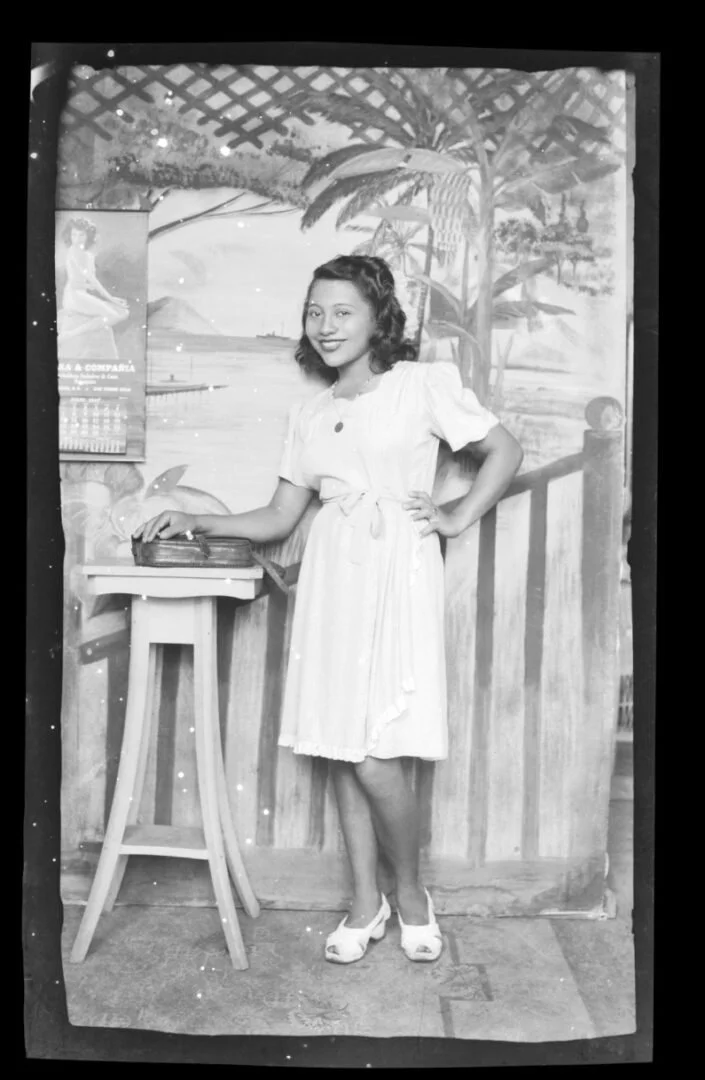
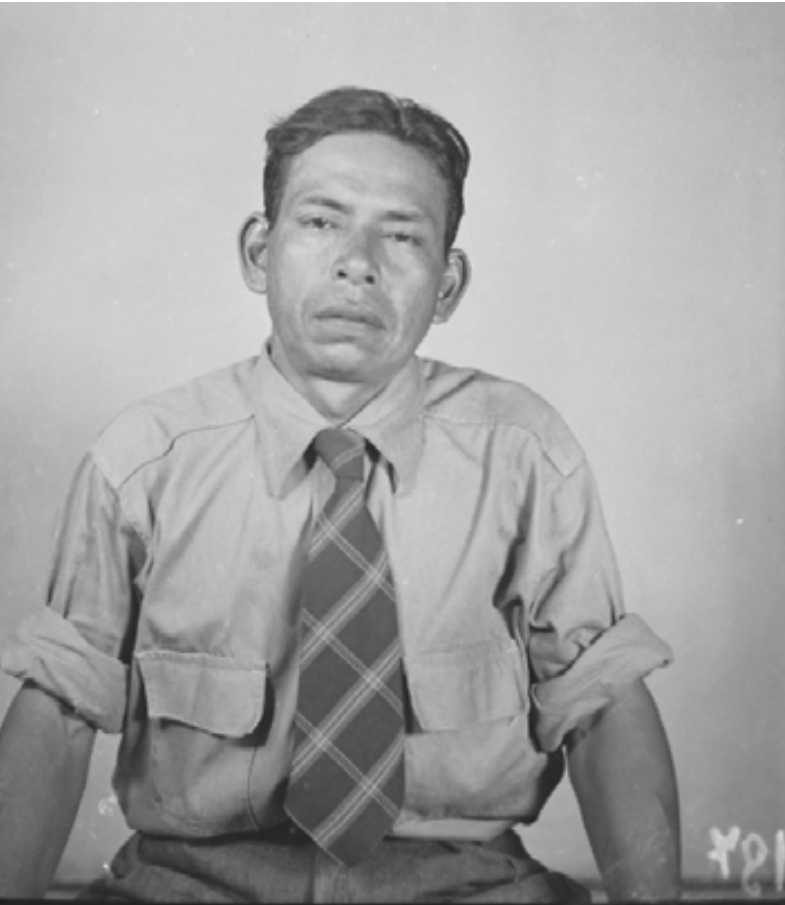
With a zeal for capturing the essence of life, R.F. Paz ran his home studio between 1926 and 1983 documenting the lives of working people, families, social movements, and El Progreso’s landscapes. He created images that gave voice to those who were largely excluded from the historical record, allowing them to present self-assurance and a sense of belonging, frequently posing in borrowed suits and ties.
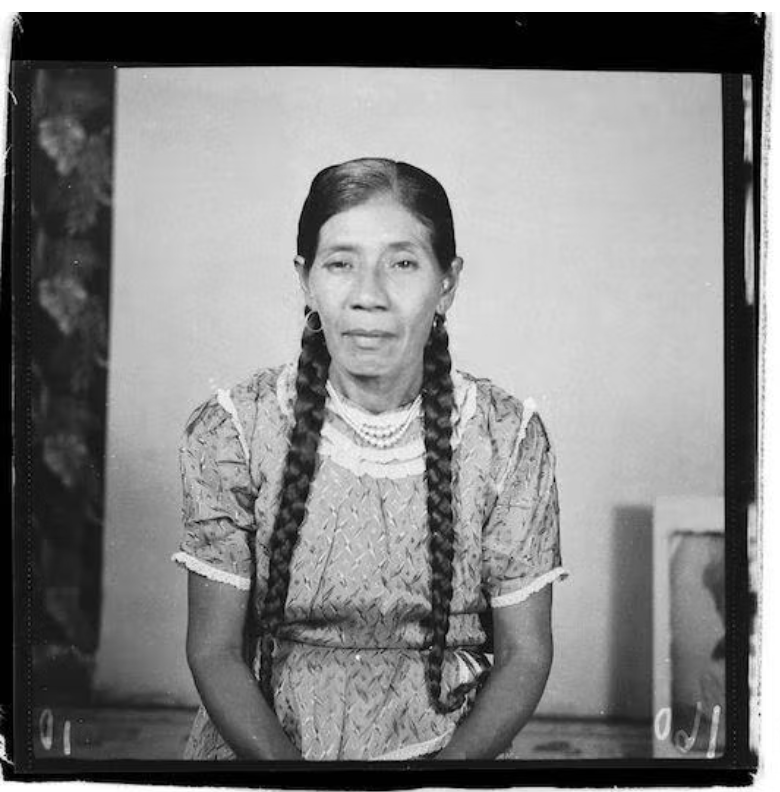
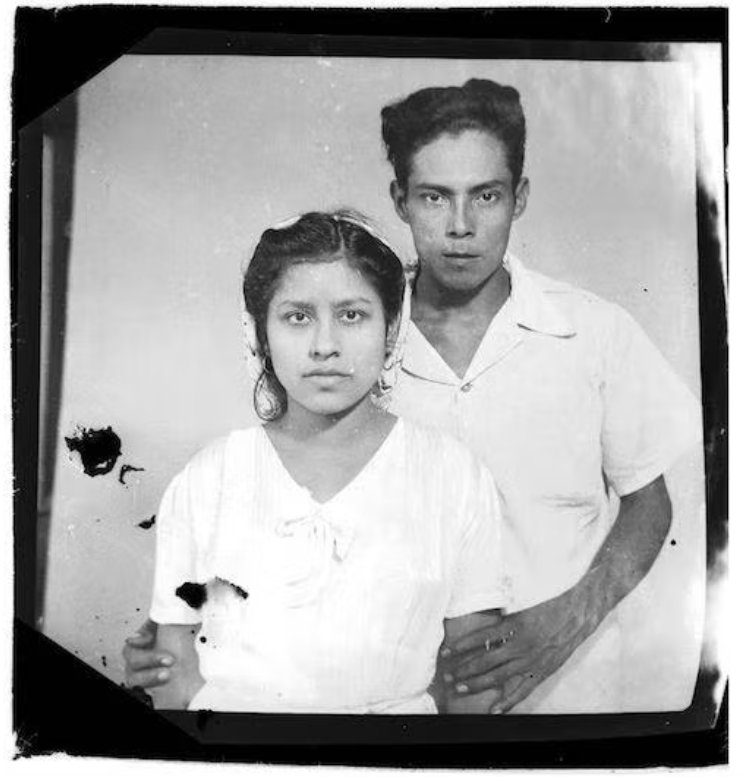
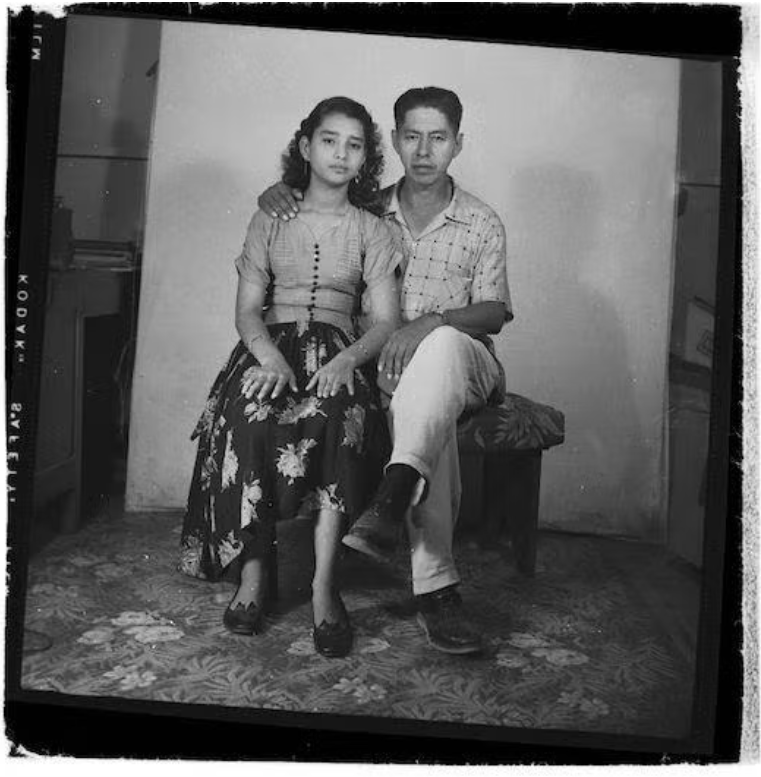
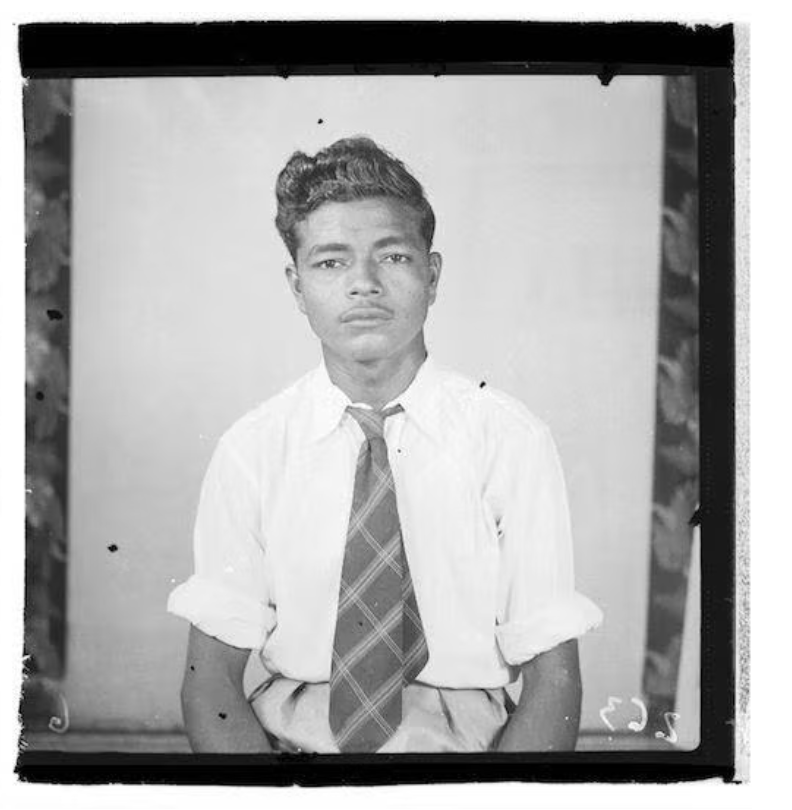
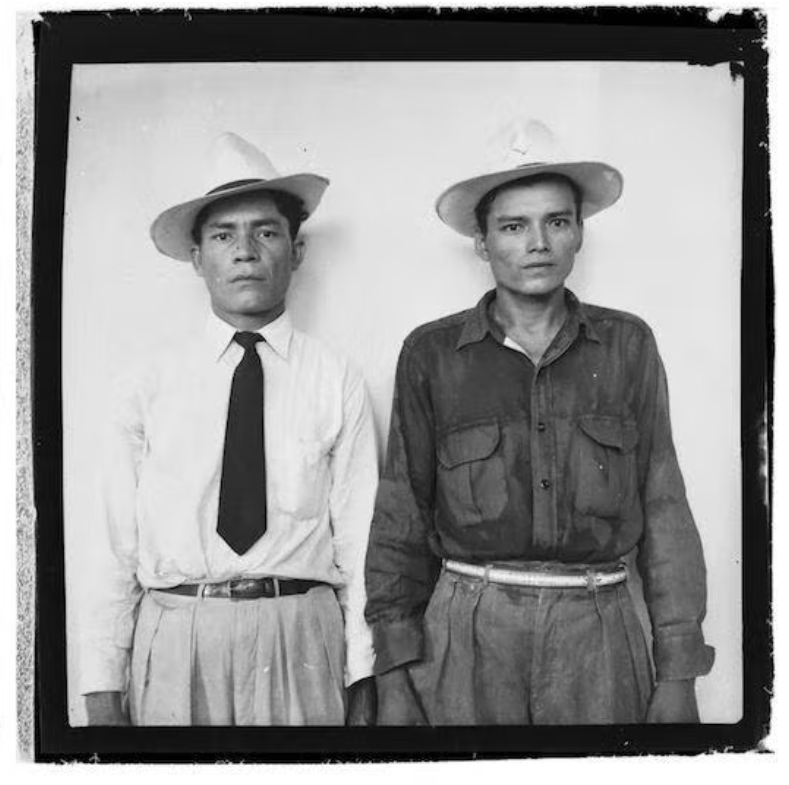
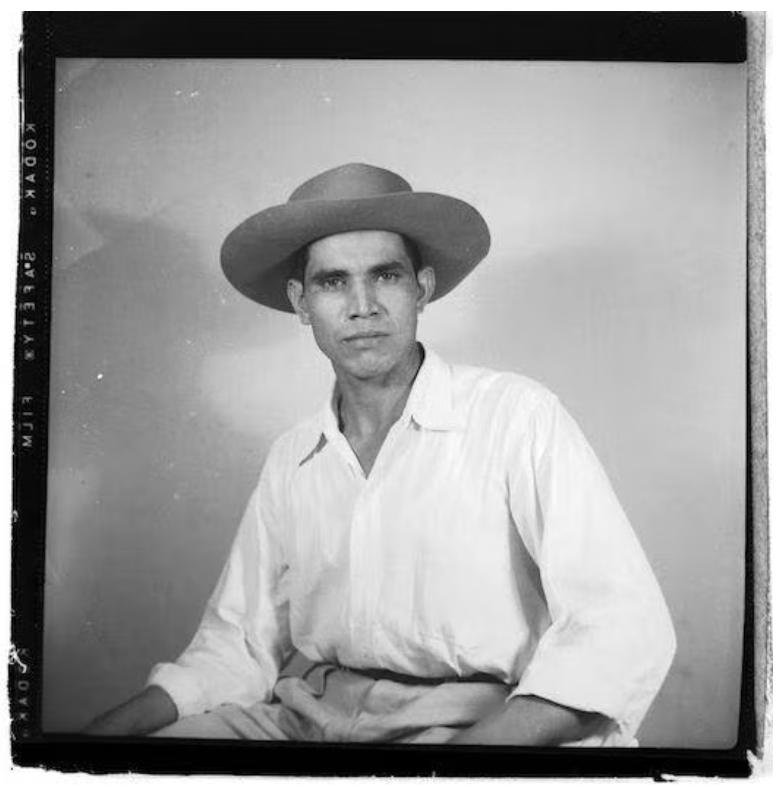
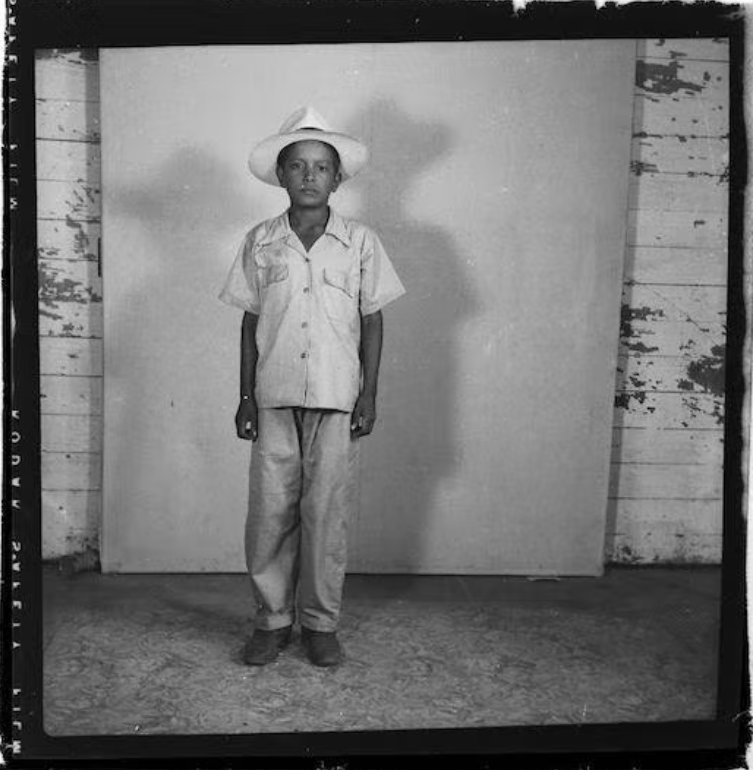
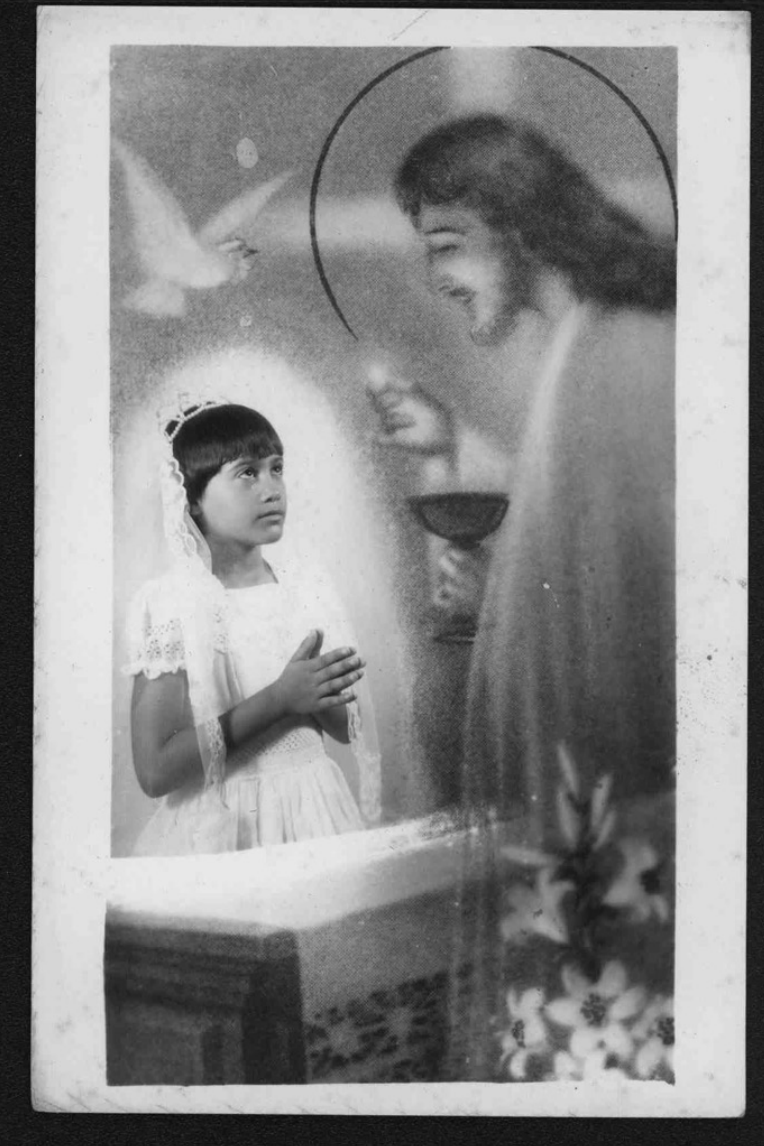
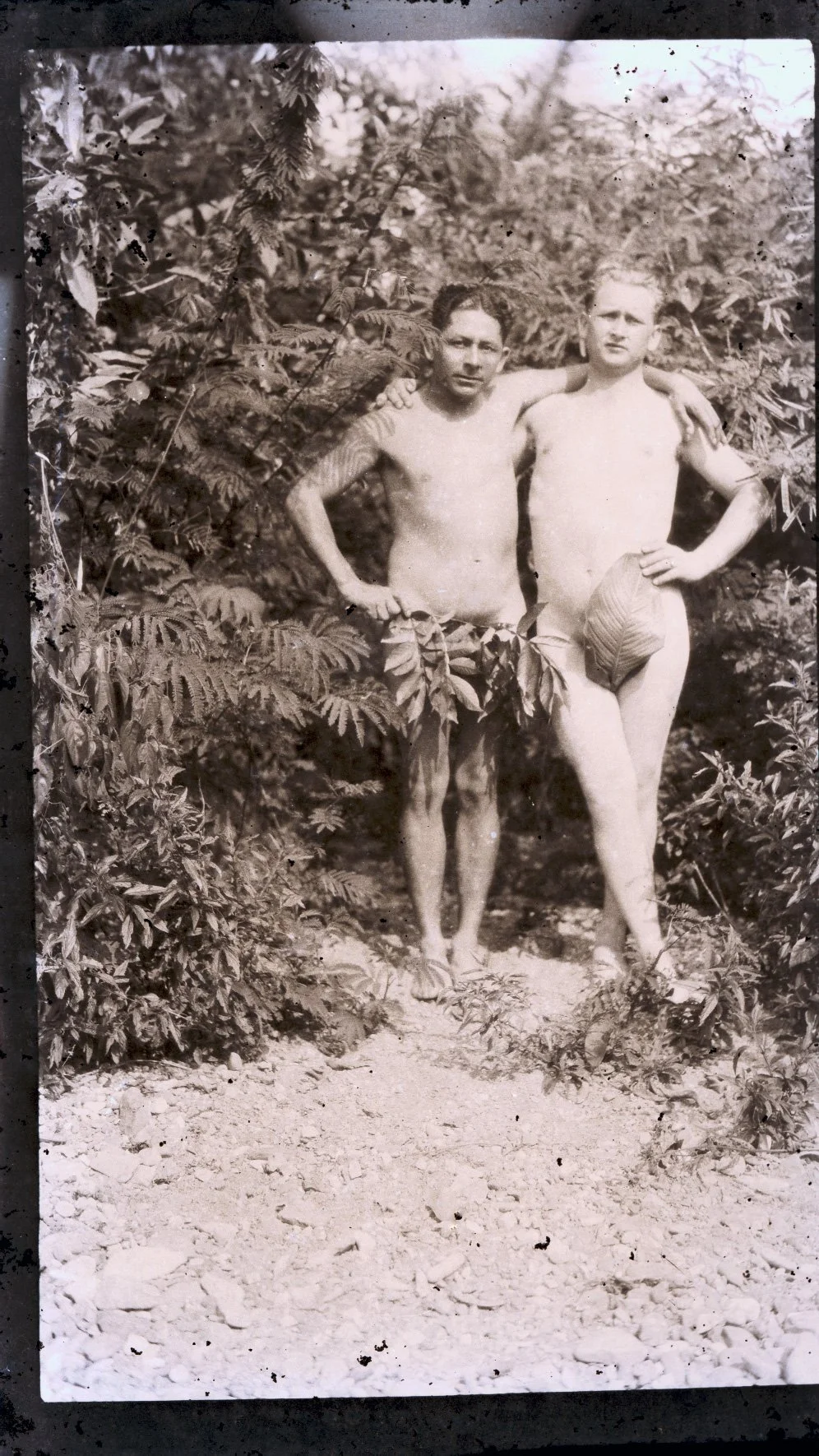
In addition to traditional ID shots and First Communion portraits, Platero Paz's archive also features unconventional snapshots, such as “The Garden of Eden,” where two men pose nude using leaves as cover or images of public health officials monitoring prostitutes.
The Garden of Eden” stands out as a compelling example of homoeroticism, challenging the gender and sexuality norms of its time; it had little to do with being homosexual or not. On the contrary, it exemplifies the diverse cross-cultural encounters that occurred in the bananeras, offering a distinctive lens into the lives and culture of Honduras during the 1930s.
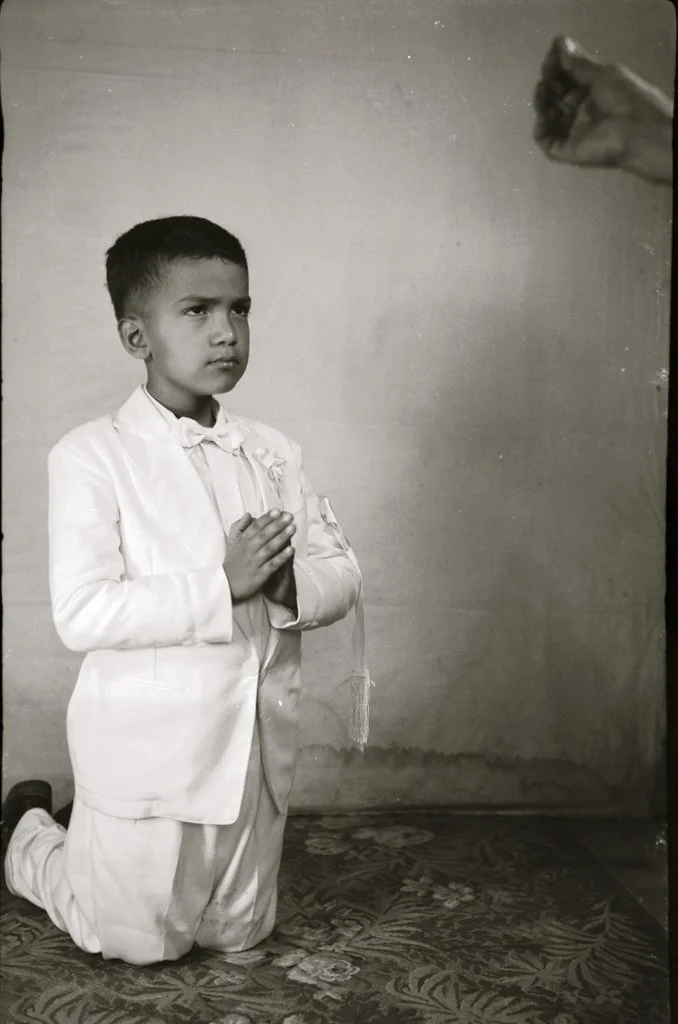
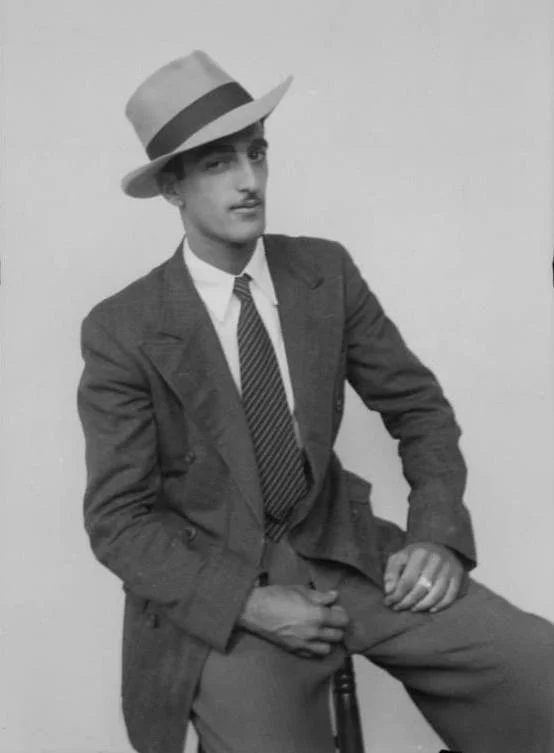
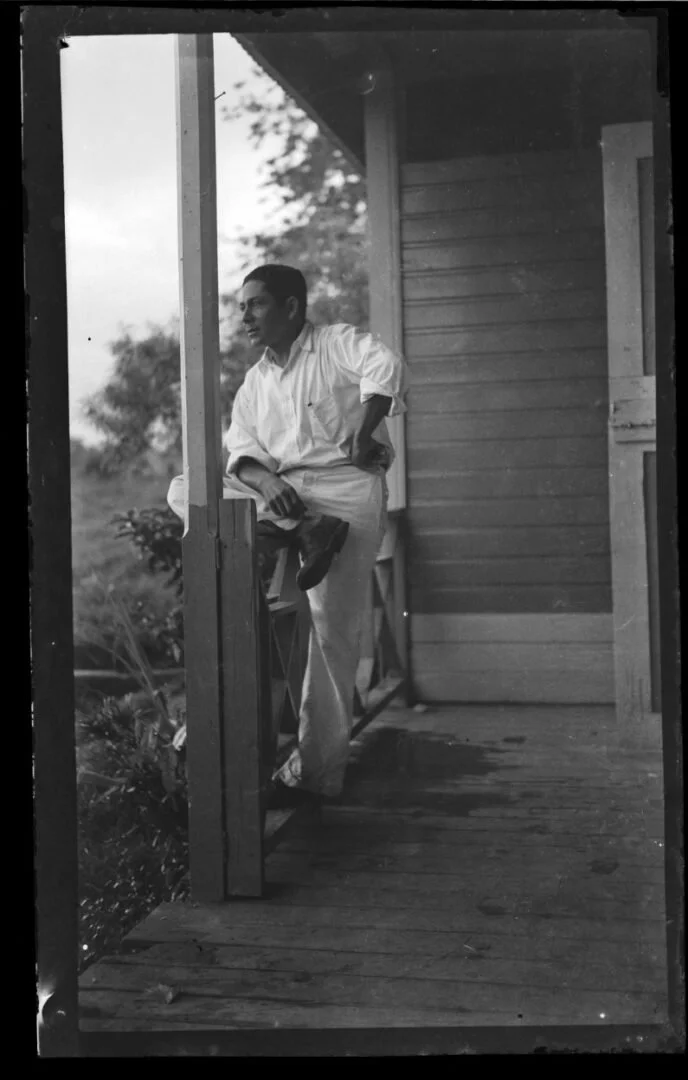
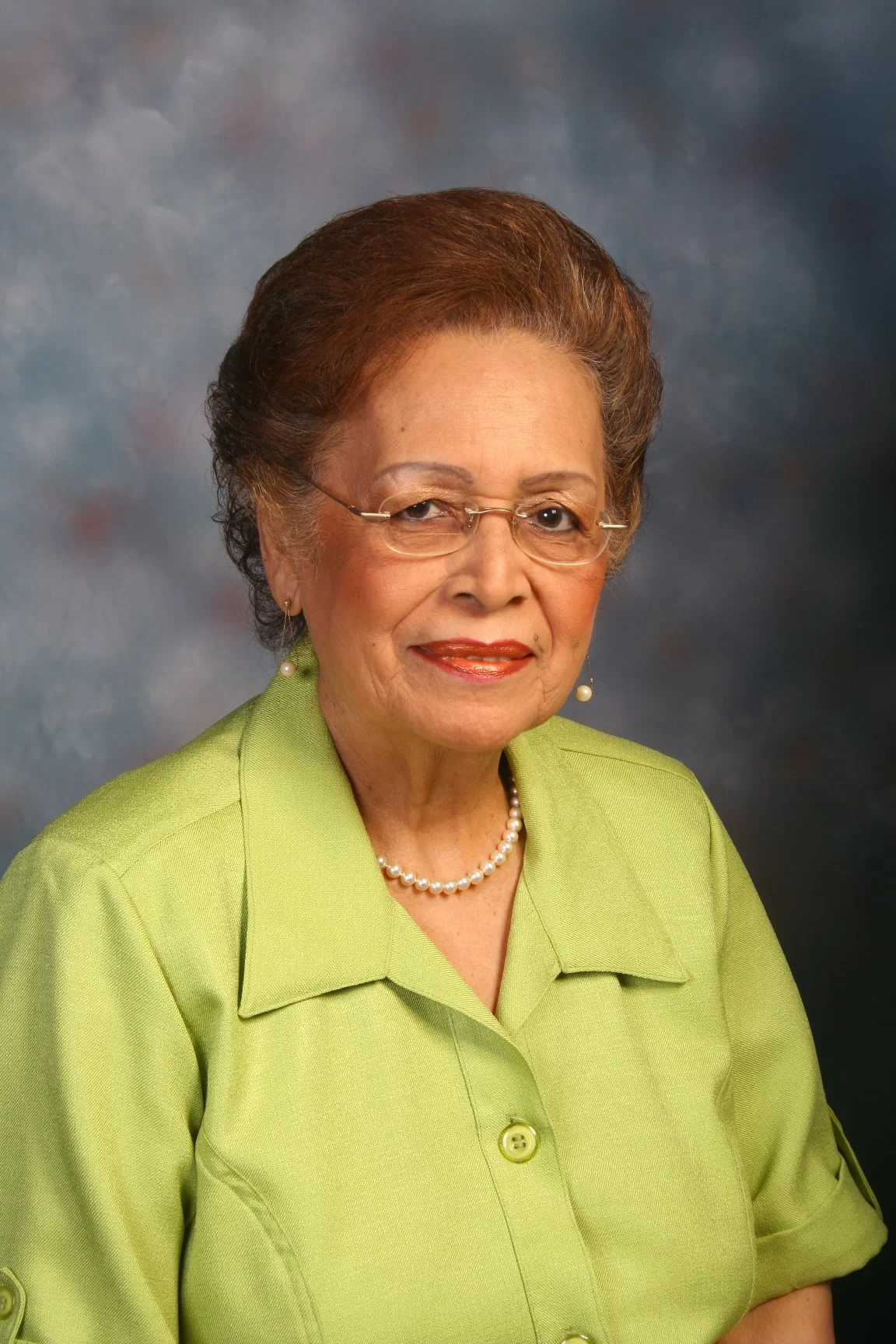
When Rafael Paz passed away, he left his archive of photographs and equipment to his daughter Prof. Aída Dolores López de Castillo. Prof. Aída opened the archive to Kevin Coleman who digitized 2,000 out of 40,000+ negatives.
Paz's photographs are an important contribution to the history of Honduras; they provide a valuable historical record of the influence bananeras had in the region and a window into the daily lives of campesinos and all who visited his studio, Foto-Arte.